In a world full of visual noise, the difference between a good design and a great one often comes down to the graphics behind it. Whether you’re creating custom stickers, branding for your business, or artwork for a personal project, finding and curating the right graphics is a skill that can elevate your work instantly.
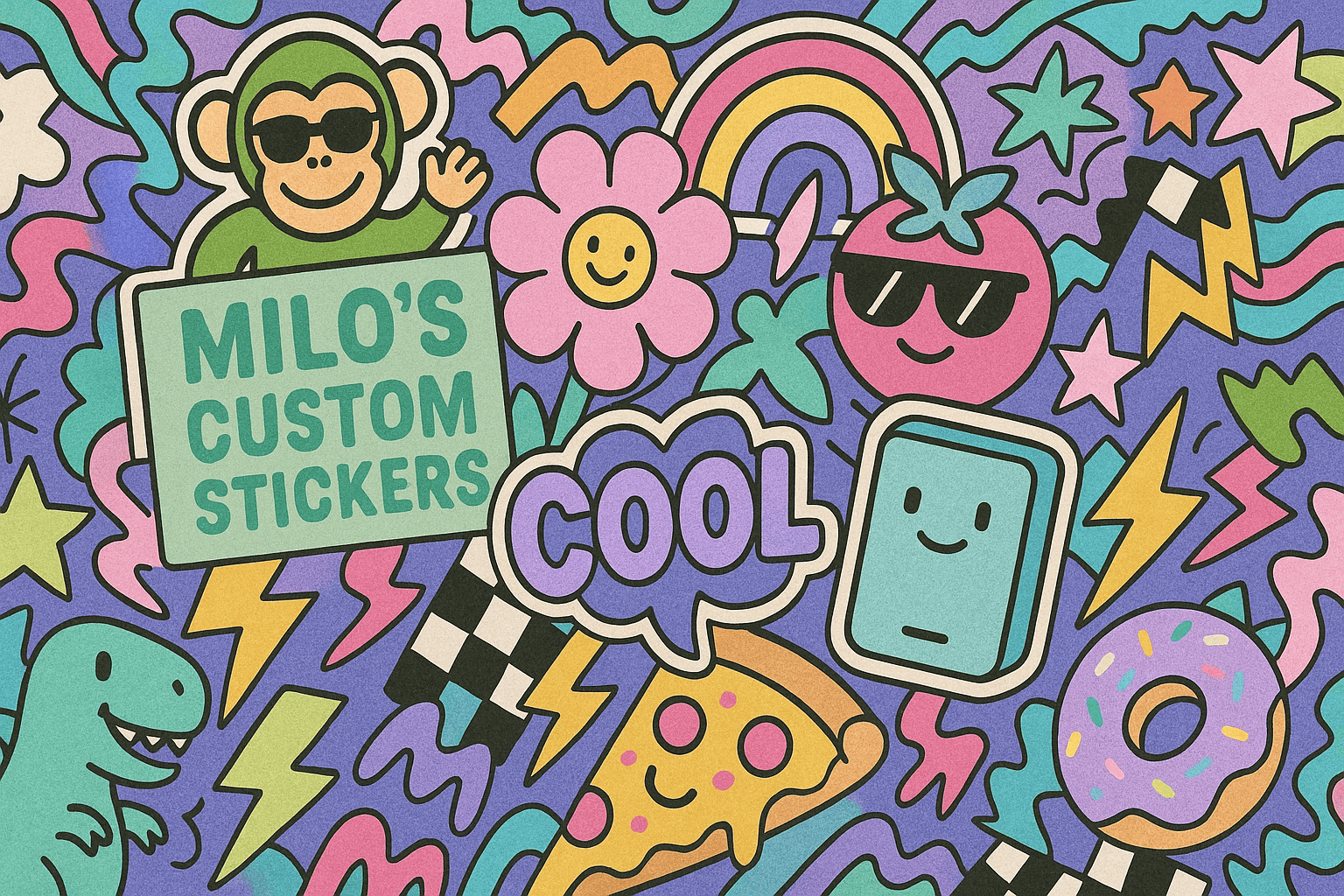
At Milo’s Custom Stickers, we work with graphics every single day. Here’s how we approach finding, refining, and curating graphics that truly stand out.
1. Start With a Clear Purpose
Before you even open a design program or browse for inspiration, ask yourself a few key questions:
What is this design for? (Stickers, packaging, social media, branding, etc.)
Who is the audience?
What emotion or message should it communicate?
A graphic that works perfectly on a 3” sticker might not translate well to a website banner. Knowing the end use helps narrow your choices early and saves time later.
2. Find Inspiration (Without Copying)
Inspiration is everywhere—if you know where to look. Some of the best places to start include:
Branding and packaging in stores
Social media platforms like Instagram, Pinterest, and Behance
Design showcases and portfolios
Nature, architecture, and everyday textures
The goal isn’t to copy, but to identify patterns you like—color palettes, line styles, typography, or layout ideas—and reinterpret them in your own way.
3. Choose High-Quality Sources
Not all graphics are created equal. When sourcing artwork, icons, or textures, quality matters—especially for print.
Its important to look for graphics that are:
Vector-based (SVG, AI, EPS) whenever possible
High resolution for raster images (300 DPI for print)
Clean, well-organized, and scalable
If you’re using stock resources, make sure you understand the licensing. Using properly licensed graphics protects both you and your business.
4. Curate, Don’t Overload
One of the most common design mistakes is trying to include too much. Strong designs often come from restraint.
Remember when curating graphics:
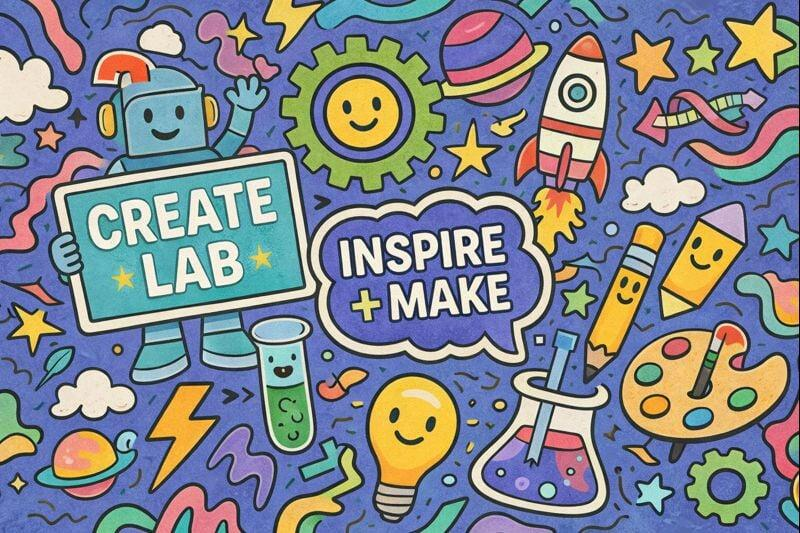
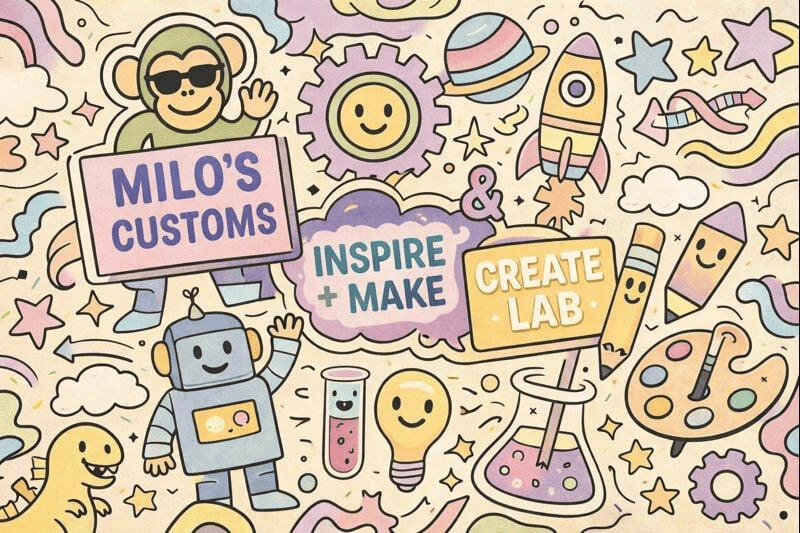
Stick to a consistent style
Limit the number of colors
Make sure every element serves a purpose
If something doesn’t add clarity or impact, it probably doesn’t belong. Simple, intentional designs tend to be the most memorable — especially on stickers.
5. Adapt Graphics for the Medium
A great graphic still needs to be optimized for how it will be used.
For stickers, this means:
Bold lines that won’t disappear when cut
Clear contrast so designs pop from a distance
Proper bleed and margins for clean edges
Curating graphics isn’t just about how they look on screen, it’s about how they perform in the real world.
6. Make It Yours
The final step is personalization. Adjust colors, tweak shapes, refine typography, or combine multiple elements into something unique.
This is where your style comes through. A well-curated graphic should feel intentional, polished, and unmistakably you.
Final Thoughts
Finding and curating the perfect graphics is part art, part strategy. With a clear purpose, quality sources, and thoughtful refinement, you can create designs that don’t just look good—but work.
If you’re ever unsure whether a design will translate well into a sticker or print product, that’s where we come in. At Milo’s Custom Stickers, we’re always happy to help bring your graphics to life—cleanly, professionally, and with impact.
Ready to turn your design into a sticker? Let’s make something awesome.